Category: Trading Automation
-
Why I Run Two Different VPS Providers for Forex and Crypto (And What I Learned)
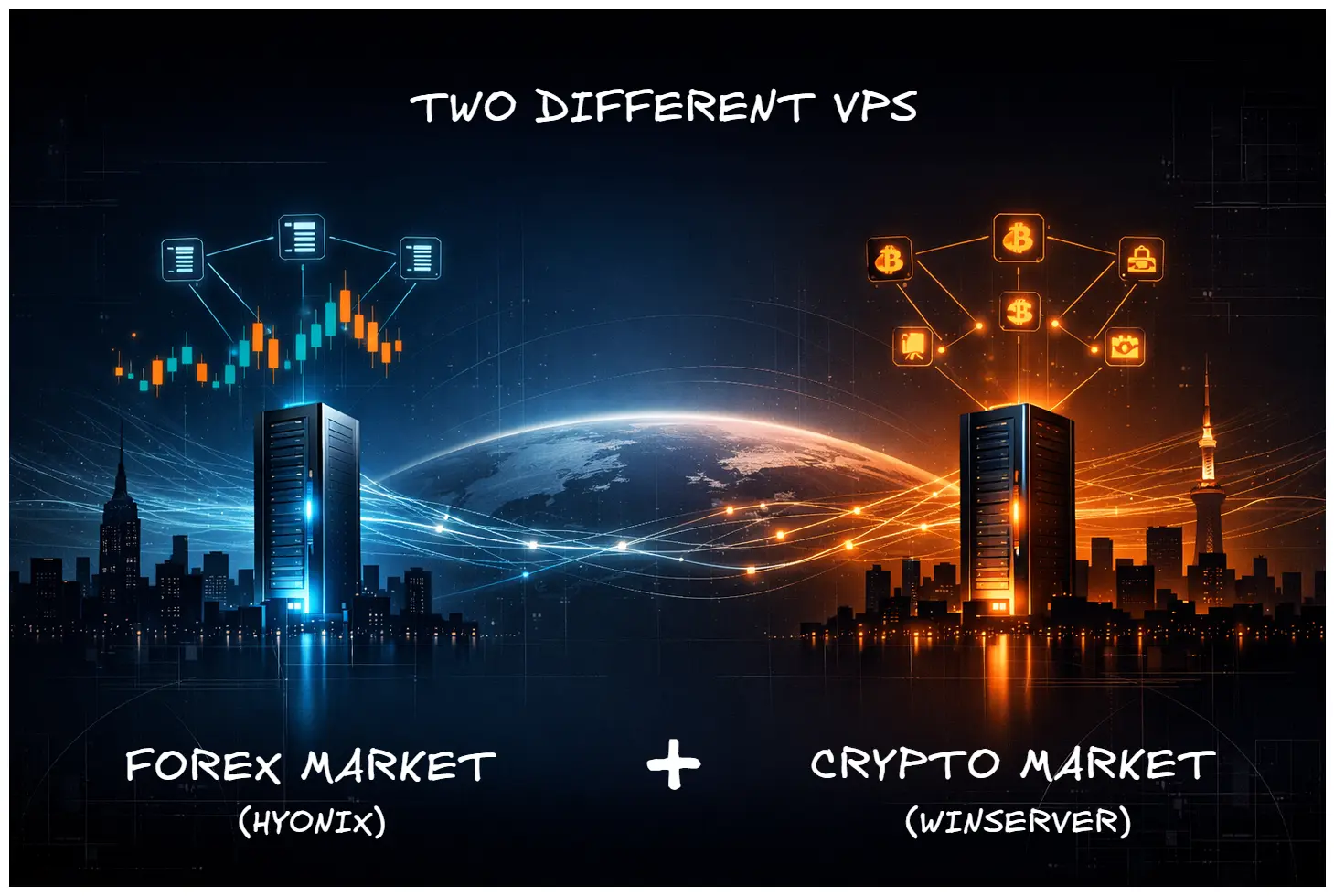
The Setup Behind the Live Signal I run a live MT5 EA on USDJPY one-hour bars from a VPS in New York, and three separate crypto futures bots on Binance, Bitget, and Bybit from a different VPS in Tokyo. The total cost of both VPS combined is about eighteen dollars a month. That number surprises…
-
What I Learned Running Live Bots on Binance, Bybit, and Bitget: 7 Production Bugs and Their Fixes
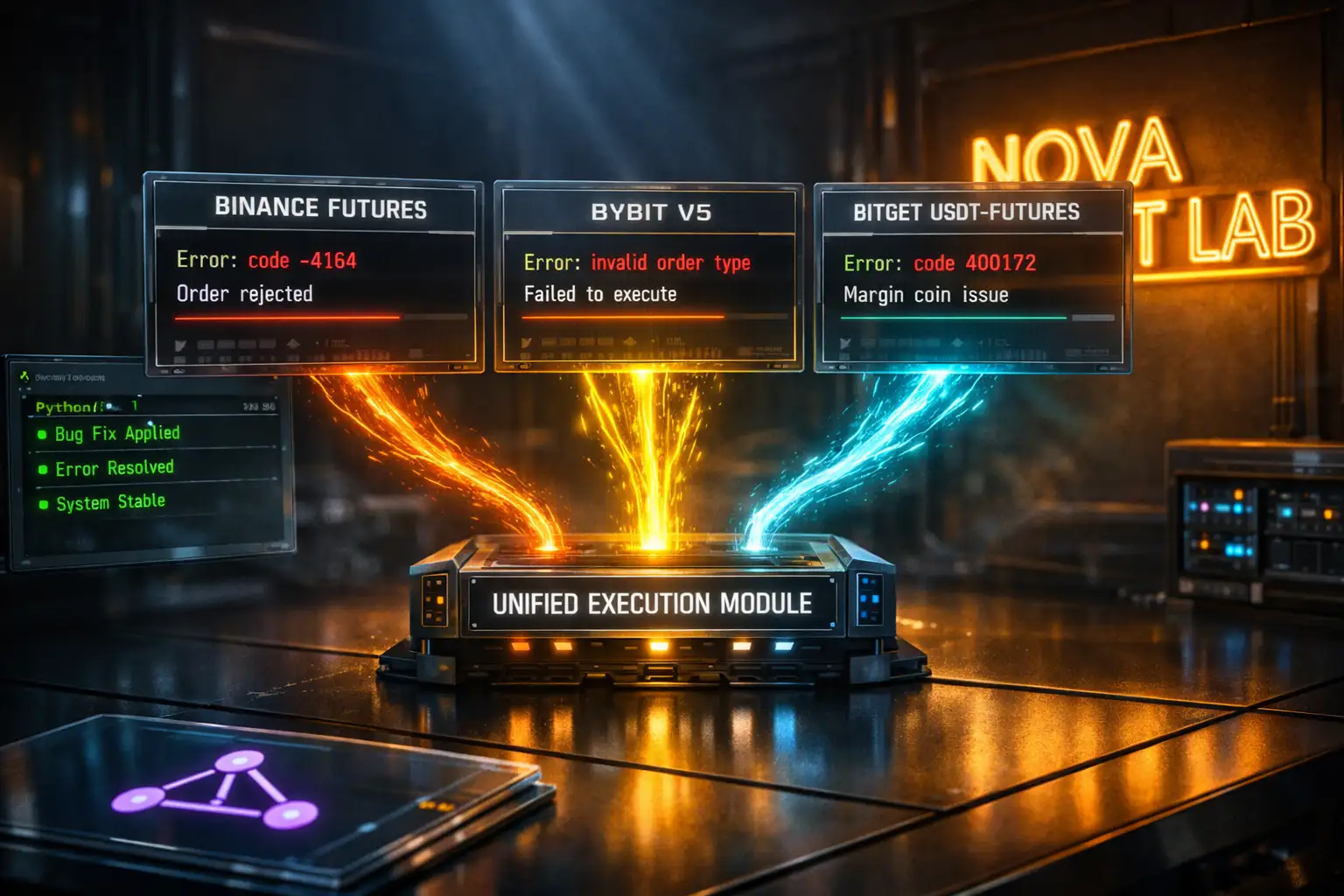
Three Exchanges, 7 Bugs, One Year of Lessons For the past year I have run live trading bots simultaneously on Binance Futures, Bybit USDT-M perpetuals, and Bitget USDT-FUTURES. Three exchanges, three different APIs, three slightly different mental models of what an order even is. The strategies were similar across all three. The execution layers were…
-
How to Connect TradingView Webhooks to Python for Automated Trading: A Production Guide
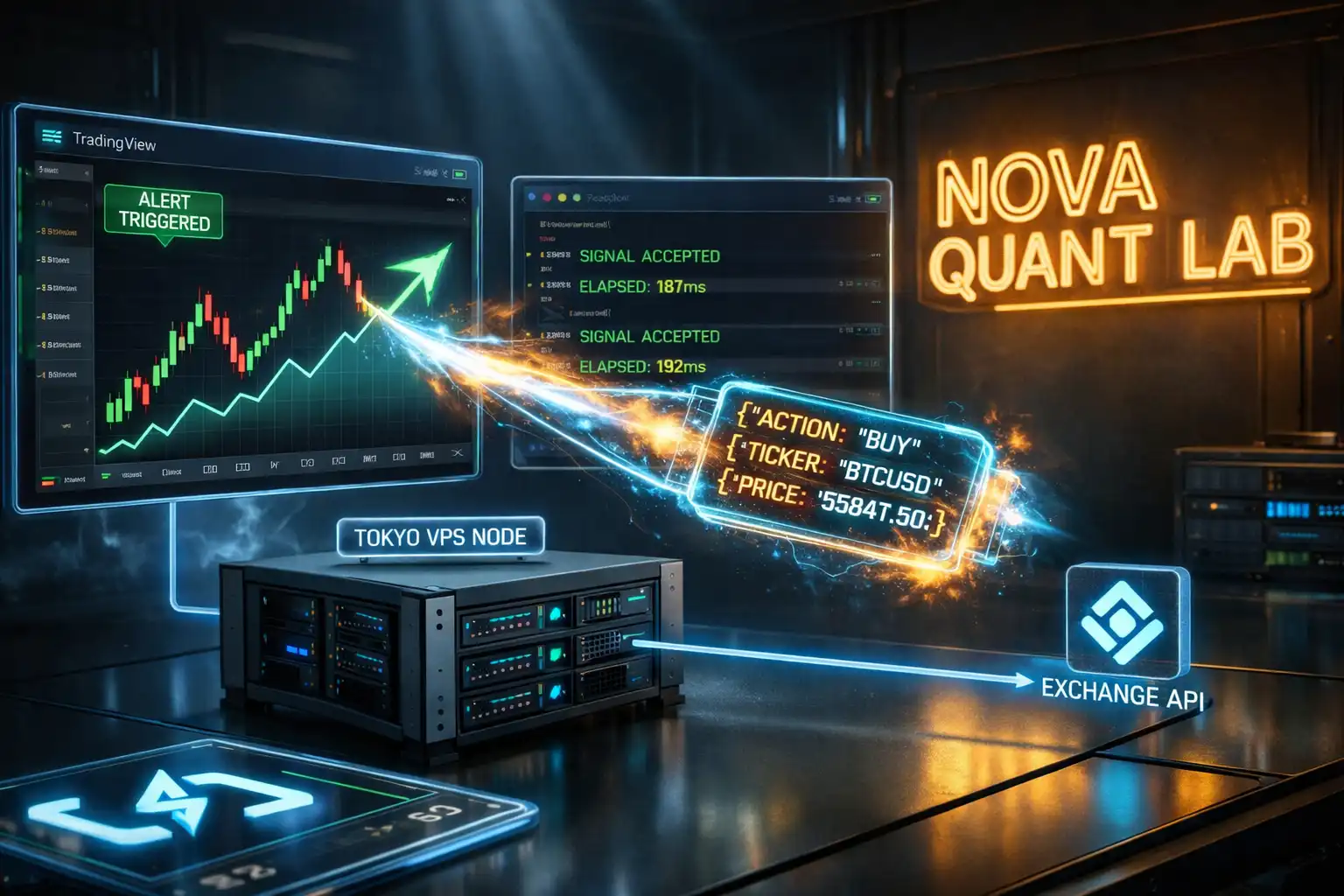
The Bridge I Wish Someone Had Drawn for Me Seven Years Ago The first time I tried to connect a TradingView webhook to a live Python execution layer, I was running small accounts across Bybit, Binance, and Bitget from a laptop. The signal fired at 3:47 AM on a Tuesday. My laptop had gone to…
-
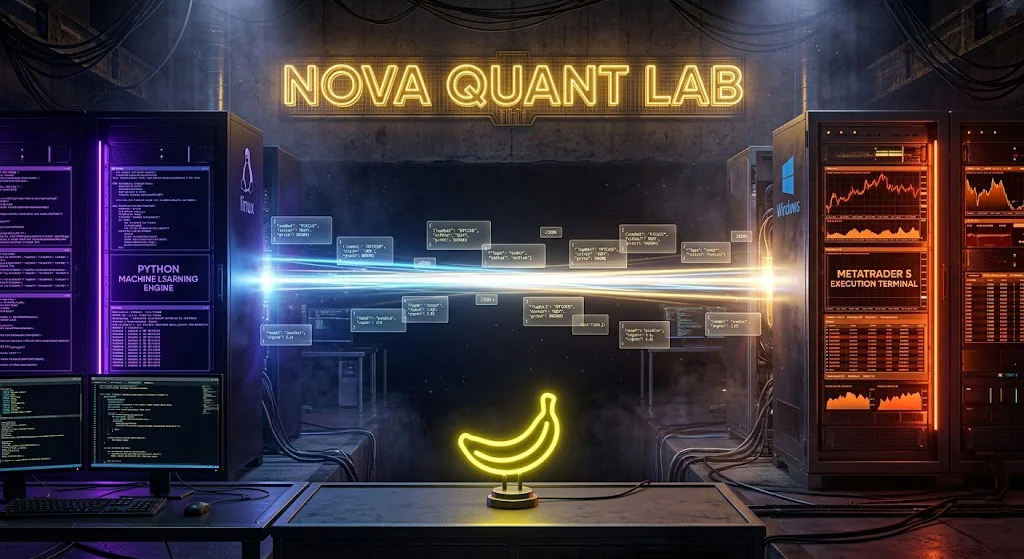
MetaTrader 5 Python Integration: 2026 Best Practices for Algorithmic Trading
The quantitative trading landscape is fundamentally bifurcated. On one side, you have the analytical supremacy of Python—the undisputed language of machine learning, statistical arbitrage, and deep data manipulation. On the other side, you have MetaTrader 5 (MT5), the archaic but structurally dominant execution engine for global Forex and CFD markets. Attempting to force these two…
-
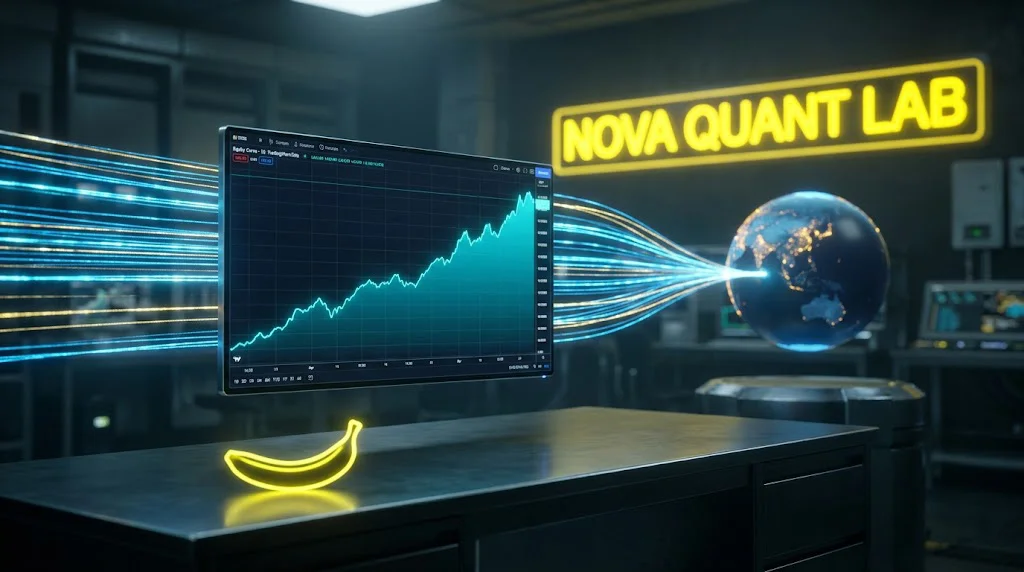
The Headless Quant Frontend: Displaying Your True Alpha on the Global Edge
Over the past two installments of this series, we have methodically dismantled our reliance on third-party verification platforms like Myfxbook. We rejected the black-box tracking systems that hold our trading history hostage, and instead, we took absolute ownership of our data. We built the vault: an impenetrable PostgreSQL database running on an Oracle Cloud ARM…
-
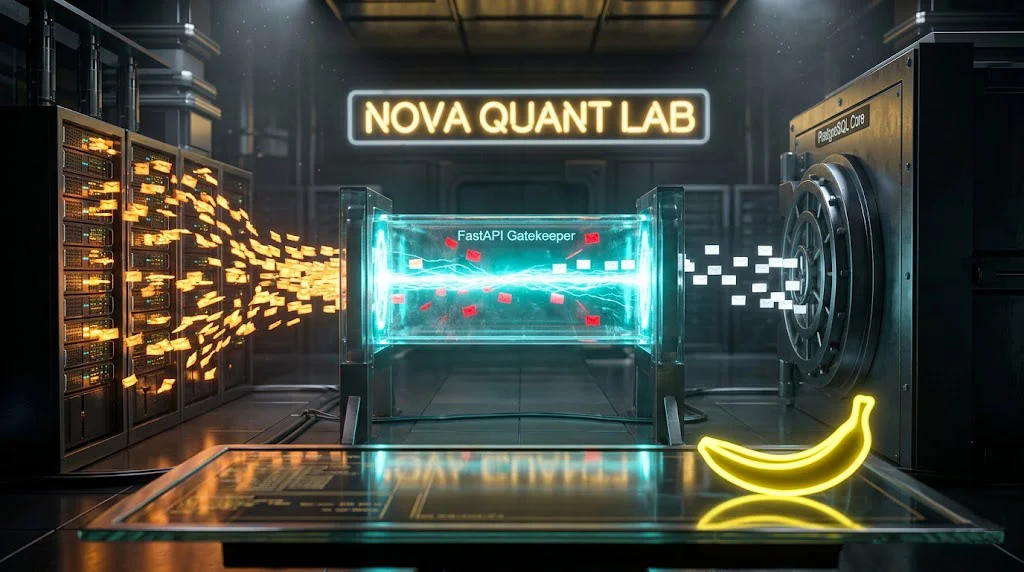
Bridging the Gap: Building a Secure FastAPI Backend to Stream MT5 and CCXT Metrics
In the previous post, we established the foundation of our data sovereignty: an isolated, highly secure PostgreSQL database running on a dedicated Oracle Cloud ARM instance. We escaped the black-box limitations of third-party platforms like Myfxbook, securing a private vault capable of storing millions of rows of live execution data and raw JSON API responses.…
-
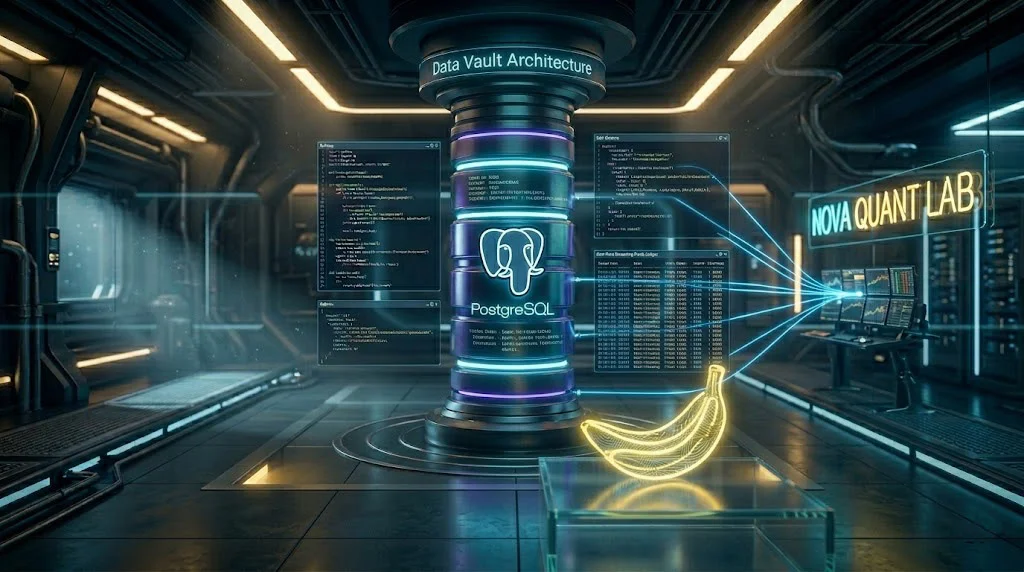
Escaping Myfxbook: Architecting a Custom PostgreSQL Database for Live Trade Tracking
The two-day nightmare of verifying my Forex.com account on Myfxbook was the breaking point. As I detailed in the previous post, the archaic process of opening a pending ‘BUY LIMIT’ order on a live Expert Advisor just to inject a specific “magic number” into the comment string was not just frustrating—it was fundamentally broken. Relying…
-

The 2026 Web Infrastructure Guide: Escaping the Shared Hosting Trap and Hosting Your Quant Portfolio
In our previous post, we locked down the execution layer. We filtered out the garbage and found the exact VPS infrastructure required to keep our Python bots and MT5 Expert Advisors running continuously without fatal slippage or API disconnects. But as a quantitative trader in 2026, building the execution algorithm is only half the battle.…
-
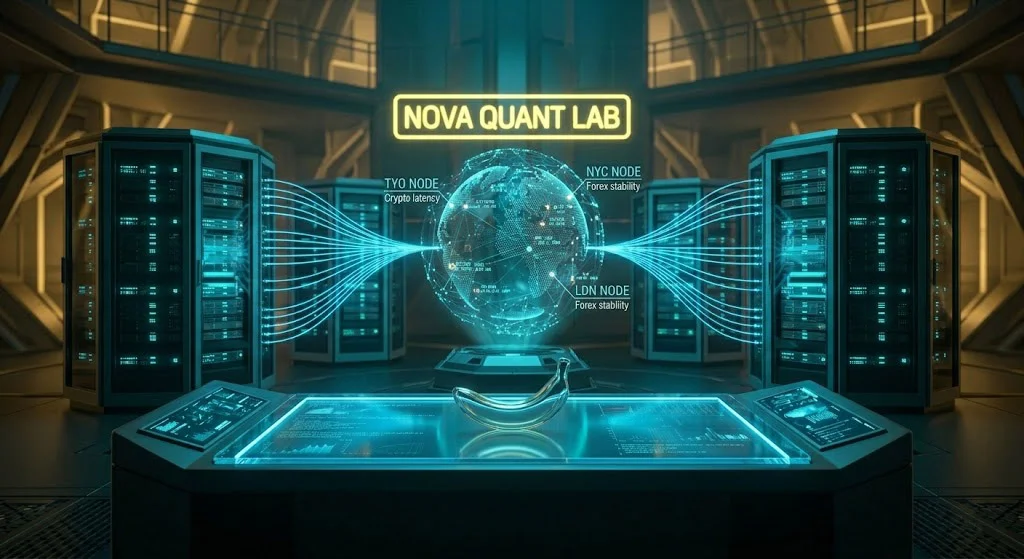
The Ultimate 2026 VPS Tier List for Quants: Architecting Infrastructure for Crypto Bots, AI, and Forex EAs
Over the past 34 posts, we have journeyed through the absolute bleeding edge of algorithmic trading. From building simple Python execution scripts and integrating Telegram notifications to architecting complex asynchronous arbitrage engines and deploying fully autonomous, machine-learning-driven ensembles. Together, we have built the “brain” of the machine. But as any veteran quantitative trader will tell…
-
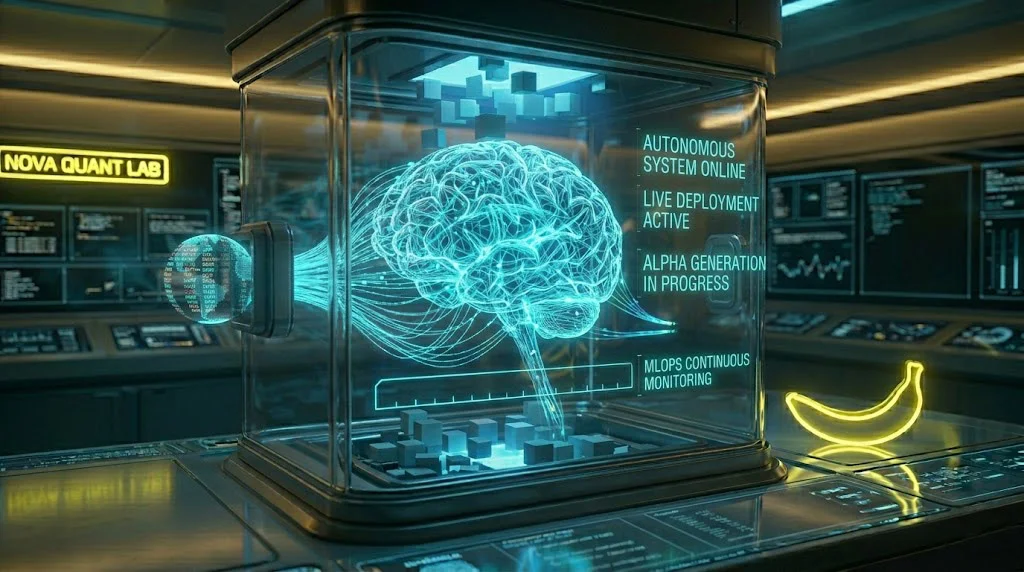
The Singularity: Deploying the Fully Autonomous AI Quant System
Welcome back to Nova Quant Lab. You have reached the summit. This is the grand finale of Season 3, and the culmination of an architectural journey that has transformed you from a retail trader guessing at charts into a quantitative engineer commanding an army of algorithms. In Season 1, we recognized the fatal flaws of…